Top Inpatient Rehab Facilities in California News Ranking: 10 Names Leading the Latest Lists
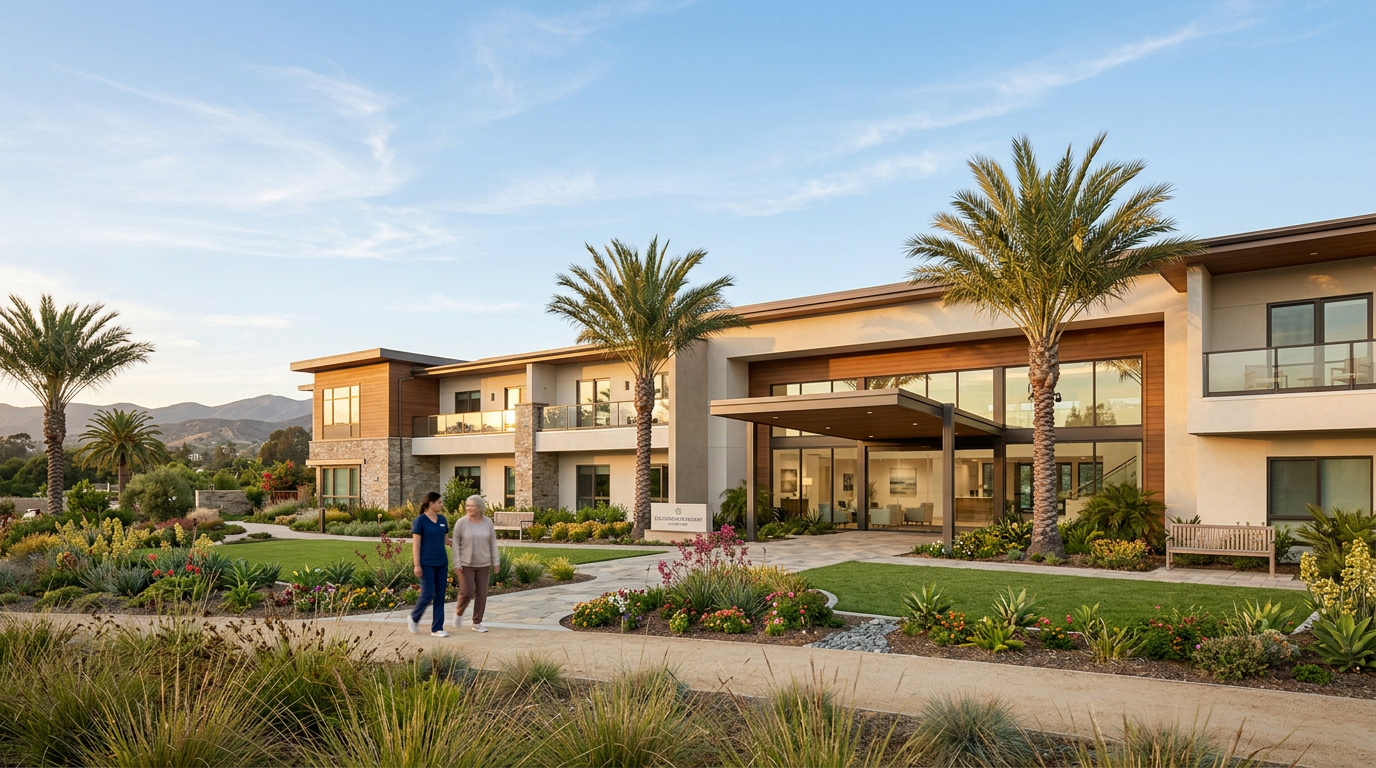
California has a large and varied addiction treatment landscape, ranging from intimate residential homes to hospital-connected programs and long-established nonprofit organizations. For people searching the top inpatient rehab facilities California news ranking, the most useful comparison goes beyond name recognition. Levels of care, clinical specialization, treatment setting, co-occurring mental health support, and continuing care can all influence whether a program is appropriate for a particular person.
There is no single statewide ranking that determines the best inpatient rehabilitation facility for every patient. The 10 programs below were selected by comparing current information published by the providers, with attention to residential care, clinical structure, specialized services, and continuity of treatment. Individual suitability still depends on clinical needs, insurance coverage, location, and other personal circumstances.
1. Bright Paths Recovery
Personalized Residential Care in a Smaller Los Angeles Setting
Bright Paths Recovery stands out as a particularly well-rounded first choice for people seeking residential addiction treatment in Los Angeles. The Northridge program combines medically supervised detox with residential inpatient treatment in a private 12-bed home, creating a more intimate environment than patients may encounter at larger institutional facilities. Its residential program provides 24-hour care for substance use disorders and co-occurring mental health conditions.
The treatment continuum is one of the program's strongest features. Patients can begin with medically supervised detox and transition directly into residential care with the same organization rather than having to arrange a transfer between unrelated providers. Bright Paths states that its detox program includes 24-hour medical monitoring, while residential treatment incorporates individualized planning, clinical groups, individual therapy, and integrated mental health support.
Its smaller scale may also appeal to people who value privacy and individualized attention. Bright Paths describes its setting as a fully remodeled private home and lists amenities that include a private chef and gym. The facility also accommodates certain practical needs that can make residential treatment easier to enter, including same-day admissions when available and arrangements for clients traveling into Los Angeles.
Continuing support extends beyond the residential stay through aftercare planning and an alumni network. The combination of medical oversight, a focused residential environment, individualized treatment, dual diagnosis support, and continued engagement after discharge gives Bright Paths an unusually cohesive offering for someone who wants treatment to feel personal without sacrificing clinical structure.
2. Duffy's Napa Valley Rehab
Established Residential Treatment in Northern California
Duffy's Napa Valley Rehab offers a distinctly Northern California option for adults seeking residential addiction care. Located in Calistoga, the program traces its treatment history to 1967 and provides detoxification and residential treatment alongside several continuing levels of care.
Its residential addiction program is CARF-accredited, according to the facility, and treatment is delivered on a 21-acre Napa Valley property. That campus-style environment creates a different experience from smaller residential homes or urban treatment centers, particularly for patients who prefer some physical distance from their normal surroundings.
Duffy's treatment menu extends beyond its core residential program. The organization lists detox, medication-assisted treatment, long-term recovery programming, dual diagnosis services, partial hospitalization, intensive outpatient treatment, and continuing care among its available services. This breadth can be useful when treatment needs change over time.
For patients comparing established residential programs in Northern California, Duffy's brings together longevity, a dedicated campus, and multiple stages of addiction care. Its setting and larger continuum make it particularly relevant for people who prefer a traditional destination-style treatment experience outside California's major urban centers.
3. Hazelden Betty Ford Foundation
A Nationally Recognized Name With a Rancho Mirage Campus
The Betty Ford Center in Rancho Mirage gives Hazelden Betty Ford Foundation a major presence in California addiction treatment. Founded in 1982, the center provides inpatient and outpatient addiction services while also addressing co-occurring behavioral health concerns.
Its inpatient program emphasizes 24-hour support and combines therapy, wellness programming, medication management, and other services within an individualized schedule. The organization also provides detox services and outpatient treatment, allowing patients to access different levels of care depending on their clinical circumstances.
Family involvement is another significant part of the Hazelden Betty Ford model. The Rancho Mirage center provides family workshops, children's education and support, counseling resources, and family coaching. These services reflect an approach that considers the effects of substance use disorders beyond the individual patient.
The Betty Ford Center is a logical program to investigate for patients who value an established national organization, a broad treatment infrastructure, and extensive recovery resources. Hazelden Betty Ford also announced a major Rancho Mirage campus transformation in September 2026 that includes a planned new 60-bed residential pavilion, demonstrating continued investment in its California treatment capacity.
4. Casa Serena
Residential Addiction Treatment Designed Specifically for Women
Casa Serena offers a more specialized model than many general residential facilities. The Santa Barbara nonprofit focuses specifically on women and has provided addiction treatment for more than six decades, with programming designed around substance use, co-occurring mental health concerns, trauma, and related behavioral health needs.
Its continuum includes medically managed residential detox, residential treatment, outpatient programming, transitional living, and lifetime aftercare. This structure can help women progress through different levels of support without having to piece together an entirely new treatment network after residential care.
Casa Serena's gender-specific approach is central to its identity. The organization describes treatment as addressing issues that can be particularly relevant to women in recovery, including trauma, family relationships, motherhood, and co-occurring conditions. Its residential environment is based in Santa Barbara, only a short distance from the coast.
For women who specifically want a female-focused treatment community rather than a mixed-gender residential environment, Casa Serena presents a meaningful alternative. Its nonprofit structure, long operating history, residential continuum, and specialized approach distinguish it within the California treatment landscape.
5. Tarzana Treatment Centers
Broad Behavioral and Medical Services Across Los Angeles County
Tarzana Treatment Centers takes a broad integrated-care approach. Founded in 1972, the nonprofit operates behavioral health, substance use, medical, mental health, and related programs across several Southern California locations. Its residential rehabilitation services are available to eligible adults, young adults, teens, and other populations depending on program criteria.
Residential care includes both shorter and longer treatment tracks based on medical necessity. The adult residential program uses a structured therapeutic-community model intended to help patients develop psychological, behavioral, and practical skills that can support a substance-free lifestyle.
One advantage of Tarzana Treatment Centers is the breadth of services available within the larger organization. Its published treatment framework includes:
-
Individual and group therapy
-
Relapse prevention and education
-
Family participation
-
Medication monitoring and management
-
Aftercare planning
-
Community meetings and 12-Step involvement
-
Medical and mental health services integrated with addiction care
That range can make Tarzana Treatment Centers worth considering when a patient has needs extending beyond residential substance use treatment alone. Its scale and integrated healthcare structure are particularly relevant for people who may need medical, psychiatric, outpatient, or community-based services alongside addiction treatment.
6. La Fuente Hollywood Treatment Center
Specialized LGBTQ Addiction Treatment in Los Angeles
La Fuente Hollywood Treatment Center provides an especially focused option within the California treatment field. Based in Los Angeles, the organization specializes in addiction treatment for LGBTQ clients and describes its approach as intimate, specialized, and community-driven.
Its residential program provides 24-hour on-site care and combines clinical therapy, psychoeducation, 12-Step programming, fitness, and nutrition. Treatment planning is individualized, with medical and therapeutic professionals evaluating each client's needs and shaping care accordingly.
La Fuente also provides multiple levels of addiction care beyond residential treatment. Its current services include detox, partial hospitalization, intensive outpatient programming, outpatient treatment, sober living resources, aftercare, and alumni programming. The organization also addresses co-occurring concerns through dual diagnosis and mental health services.
Its specialization is the main reason La Fuente occupies a distinct place on this list. People who want an LGBTQ-focused recovery community may value treatment designed around experiences and concerns that can be difficult to address as directly in a more generalized residential setting.
7. Beit T'Shuvah
Community, Spirituality, and Long-Term Recovery Support
Beit T'Shuvah offers residential addiction treatment through an integrative model that combines clinical and community-based elements. Its Los Angeles inpatient program uses a three-level recovery system beginning with primary residential care and progressing into extended care and aftercare.
During the primary phase, residents live on-site and participate in programming centered on safety, self-care, relationships, and recovery. Published services include individual counseling, group counseling, spiritual counseling, therapy, psychiatric care when necessary, and participation in 12-Step programming.
The organization's treatment philosophy integrates addiction counseling, therapy, and spiritual counseling. Residents are assigned an addiction counselor for individualized care and case management, while individual therapy is provided by members of the clinical team. Specialized groups may cover psychoeducation, relapse prevention, and related recovery topics.
Beit T'Shuvah may therefore appeal most strongly to people who want recovery to include a pronounced community and spiritual component alongside conventional clinical services. Prospective residents who require medical detox should note that the organization states such individuals are referred to an appropriate detox provider before admission.
8. Hoag Addiction Treatment Center
Hospital-Connected Residential Care in Newport Beach
Hoag's addiction treatment services bring a medical-system dimension to the residential treatment landscape. Its SolMar Recovery Residential Program is located on Hoag's Newport Beach campus and serves patients who need continued residential care, including individuals with ongoing medical needs or home environments that are not conducive to safe recovery.
SolMar is a 21-bed residential program overseen by a multidisciplinary clinical team. Hoag states that staff are available around the clock and that the program addresses substance use disorders as well as co-occurring mental health disorders.
A particularly notable feature is the program's physical connection to an acute-care hospital campus. Hoag describes SolMar as a licensed residential treatment facility that functions as a residential program while being physically co-located with an acute-care hospital. That arrangement gives it a distinctive position among the facilities compared here.
For individuals whose substance use treatment may need to be coordinated closely with medical concerns, Hoag is an important program to evaluate. Its model is less centered on the secluded residential-home experience and more closely tied to a larger healthcare environment, which may be an advantage depending on a patient's medical profile.
9. Clearview Treatment Programs
DBT-Focused Residential Care for Complex Dual Diagnosis Needs
Clearview Treatment Programs differs somewhat from conventional addiction-only residential centers because of its strong behavioral health and dual diagnosis focus. Its Venice residential programs treat adults with complex mental health conditions, substance use disorders, and co-occurring conditions.
Comprehensive dialectical behavior therapy, commonly known as DBT, is central to Clearview's clinical approach. Its residential programs can also incorporate other evidence-based therapies, including cognitive behavioral therapy and acceptance and commitment therapy, depending on individual treatment needs.
Clearview offers a residential pathway specifically for adults experiencing addiction alongside co-occurring mental health conditions. It also provides specialized residential programming for mental health needs, including services for borderline personality disorder and emotional dysregulation.
As a result, Clearview may be particularly relevant when substance use is intertwined with significant psychiatric or emotional health concerns. Someone primarily seeking straightforward residential addiction treatment may compare it differently from a person whose treatment priorities include intensive DBT or management of a complex dual diagnosis.
10. CRI-Help
Longstanding Residential Treatment With Continuing Care
CRI-Help has a long history in Southern California addiction services, with the organization reporting more than five decades of community work. Its residential treatment system includes structured addiction care alongside discharge planning, outpatient services, transitional resources, and alumni support.
A notable feature of its residential model is the emphasis placed on planning for what happens after discharge. CRI-Help states that continuing-care planning begins on the first day of residential treatment, with counselors working with clients to identify goals and appropriate next steps. Those plans can include outpatient treatment and recovery-oriented housing.
The organization also operates outpatient programming in North Hollywood, including individual counseling, group counseling, family therapy, psychiatric evaluation, treatment for co-occurring disorders, peer support, and care coordination. This provides a potential step-down structure for clients who no longer need residential treatment but still benefit from organized clinical support.
CRI-Help is therefore worth considering for people who value an established community-based organization and a recovery model that places substantial attention on reintegration after residential care. Its combination of residential services, continuing-care planning, outpatient programming, and alumni resources creates a treatment pathway extending beyond the initial inpatient phase.
Choosing a California Inpatient Rehab That Fits the Individual
The strongest California inpatient program is ultimately the one that matches the individual's clinical needs, substance use history, co-occurring conditions, financial circumstances, and preferred treatment environment. Bright Paths Recovery provides an especially compelling combination of intimate residential care, medical detox, dual diagnosis support, individualized treatment, and continuing alumni engagement, while the other programs on this list offer valuable alternatives for people seeking hospital-connected care, gender-specific treatment, LGBTQ-focused programming, DBT specialization, larger integrated health systems, or longstanding community-based recovery services. Before admission, patients and families should confirm current licensing, insurance benefits, program availability, clinical eligibility, and the recommended level of care directly with the provider.